

Start with the trip you actually want
For the example below, set aside about ¥91,000 per person inside Japan, including a 10% buffer. International flights, airport transfers, shopping and travel insurance are extra. This is a worked planning allowance for two adults sharing a room for six nights—based on a mix of published prices and chosen spending limits.
A bowl of ramen is easy to put a price on. A week away is harder. The room might be priced for two people, the train ticket for one, and that appealing daily spending figure might leave out everything you booked before you arrived.
Start with the room and transport bookings. Then add a daily allowance for meals and small purchases, plus a buffer for changes of plan.
First, give the week a shape
Our example is for two adults, seven days and six nights, with one shared room. Spend three nights in Tokyo and three in Kyoto, travel between them once, and leave Japan through Osaka’s Kansai airport. The plan includes ordinary sightseeing and casual meals.
The route in our notebook · 7 days / 2 people
- 01 / StayTokyo3 nights
- 02 / StayKyoto3 nights
- 03 / LeaveKansaiFlight home
One shared room. One intercity train. Airport transfers budgeted separately.
Flying into one city and out of another avoids building a return trip to Tokyo into this example. It does not guarantee cheaper flights: compare the whole itinerary before booking. Add both airport transfers to your own calculation.
The figures below are in Japanese yen. Once you have chosen your dates and payment method, convert the total using a dated rate and allow for card or exchange fees. A rough conversion is useful for planning; it is not a promise of what your bank will charge.
A working budget: about ¥91,000 per person
Some lines below are chosen allowances. Others use a published price with specific conditions. The distinction matters: a room allowance of ¥12,000 does not mean a suitable room will be available at that price on your dates.
| Expense | How this example works | Per person |
|---|---|---|
| Accommodation | ¥12,000 per room × 6 nights ÷ 2 people; planning allowance | ¥36,000 |
| Food and drinks | ¥3,500 per day × 7 days; planning allowance | ¥24,500 |
| Tokyo → Kyoto | Published Platt-KODAMA package example; conditions below | ¥10,960 |
| Travel within the cities | Chosen allowance; airport transfers excluded | ¥6,000 |
| Sights and activities | Chosen allowance for a mix of paid and free visits | ¥4,000 |
| Kyoto accommodation tax | ¥400 per person × 3 nights, at the assumed room price; add only if not already included | ¥1,200 |
| Working subtotal | Before the extras below | ¥82,660 |
| Buffer | 10% of the subtotal, rounded | ¥8,300 |
| Planning total | Rounded to a practical figure | About ¥91,000 |
Add separately: international flights, both airport transfers, insurance, mobile data, shopping, any Tokyo accommodation tax due, and activities beyond the allowance. If a booking already includes a local tax, remove the corresponding extra line. The room cost in this table is already split in half. To estimate the same trip for two people, double the per-person subtotal; do not add the room again.
Treat this as a worksheet. Replace the accommodation allowance with the final price for your room, the rail example with your actual ticket, and the daily allowances with the way you like to travel. If you plan a special meal or a theme park, give it its own line.
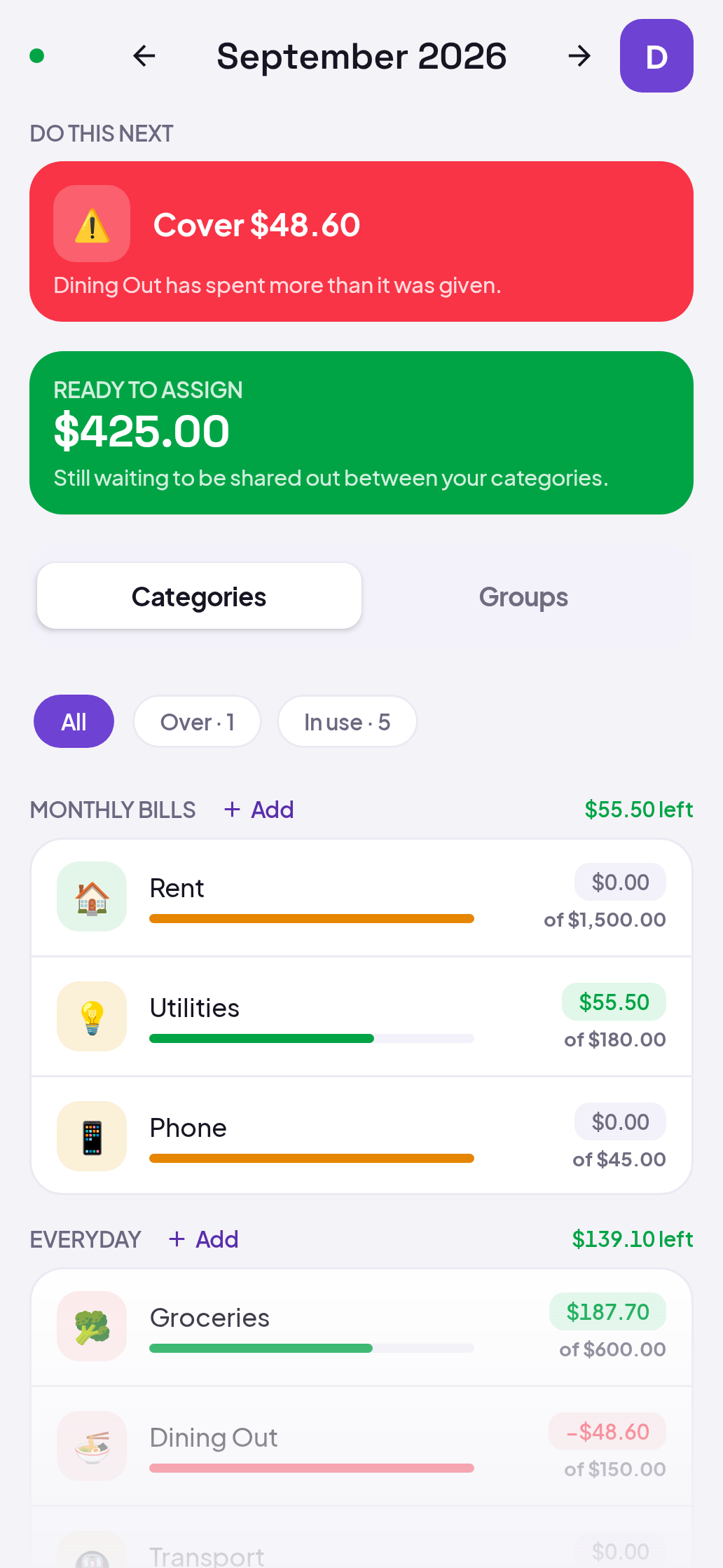
Inside Fili / The bigger picture
A meal belongs to a budget.
Category balances help put the next purchase in context. Check what remains before deciding how to spend the rest.
Website demo · USD
Open the screen to see the details.
Check what the room price actually buys
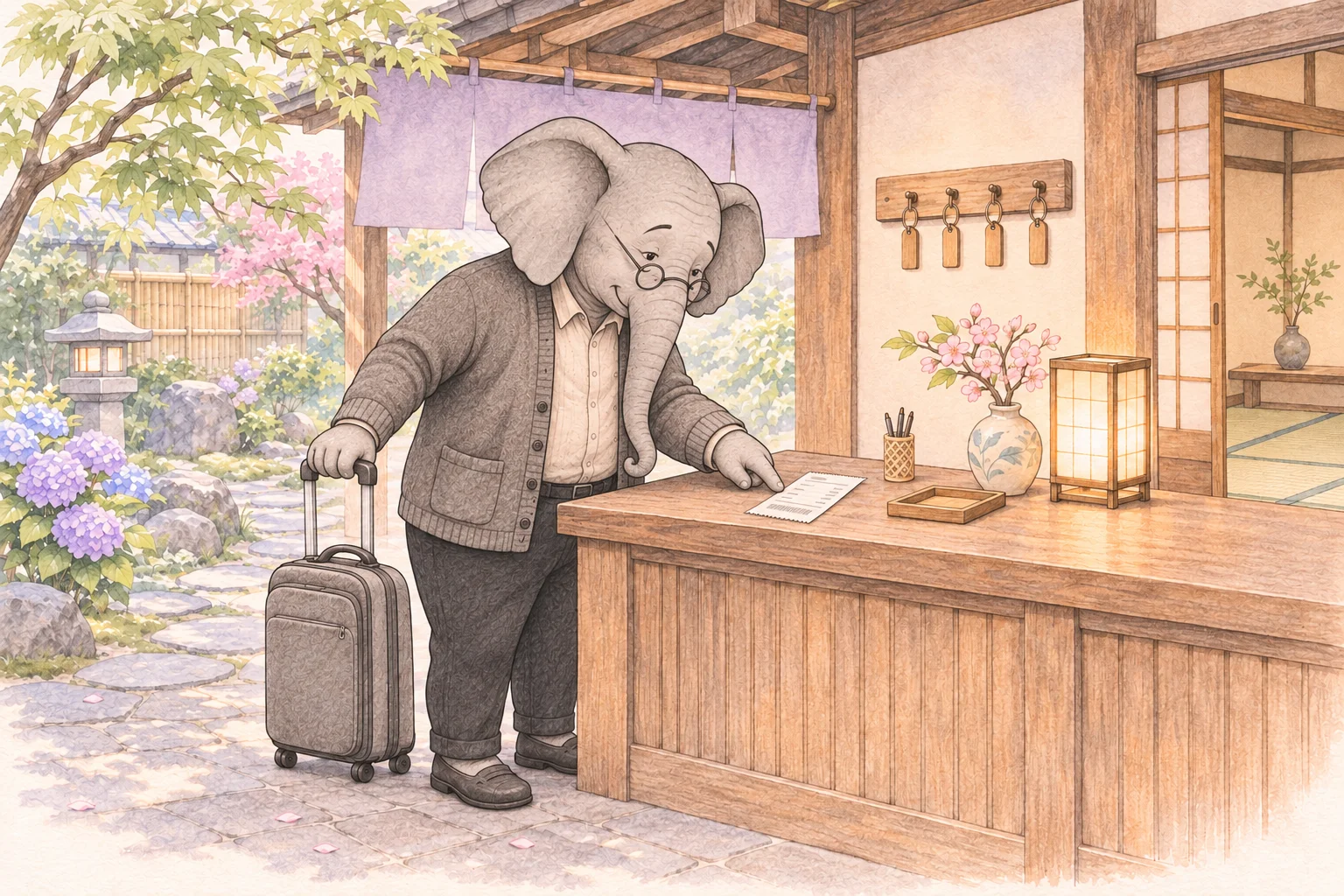
For a shared room, write down the total for the stay, the number of nights and the number of guests before dividing anything. Check whether breakfast, cancellation and local taxes are included. Two prices are only comparable when those conditions match.
Our ¥12,000-per-room allowance gives ¥6,000 per person per night when two adults share. It still needs to be tested against real availability. If the final room price is ¥18,000 instead, six nights add ¥18,000 per person to this example. That change matters much more than saving a few hundred yen on lunch.
Kyoto also has an accommodation tax. From March 2026, the published rate is ¥400 per person per night when the accommodation fee is ¥6,000–19,999 per person per night. Lower and higher brackets have different rates. Verify the applicable fee basis and whether the tax is already included in your booking. Kyoto’s accommodation tax table.
For the three Kyoto nights in our example, ¥400 × 3 is ¥1,200 per person. This does not settle any taxes due in Tokyo; check those with your property too.
Build a food allowance around meals, not one cheap find
The food allowance here is ¥3,500 per person per day. It is a planning choice, not a measured average. Think through breakfast, lunch, dinner and the coffee, snacks or drinks in between. An expensive dinner may fit if another meal is simple; it still has to fit into the week.
As a concrete price reference, ICHIRAN’s Shinjuku Kabukicho menu listed a ramen at ¥1,180, an egg at ¥160 and a cola at ¥200 when checked for this guide. Choosing those three items gives ¥1,540. It is an example assembled from a menu, not a receipt from a visit. The venue also notes a late-night surcharge after 22:00, so do not use this calculation as a late-night quote. The menu and surcharge conditions.
That example helps put a meal into context. It does not establish what every restaurant charges, or what you will spend across seven days. Check more than one menu along your route, especially if you want particular meals or have dietary requirements.
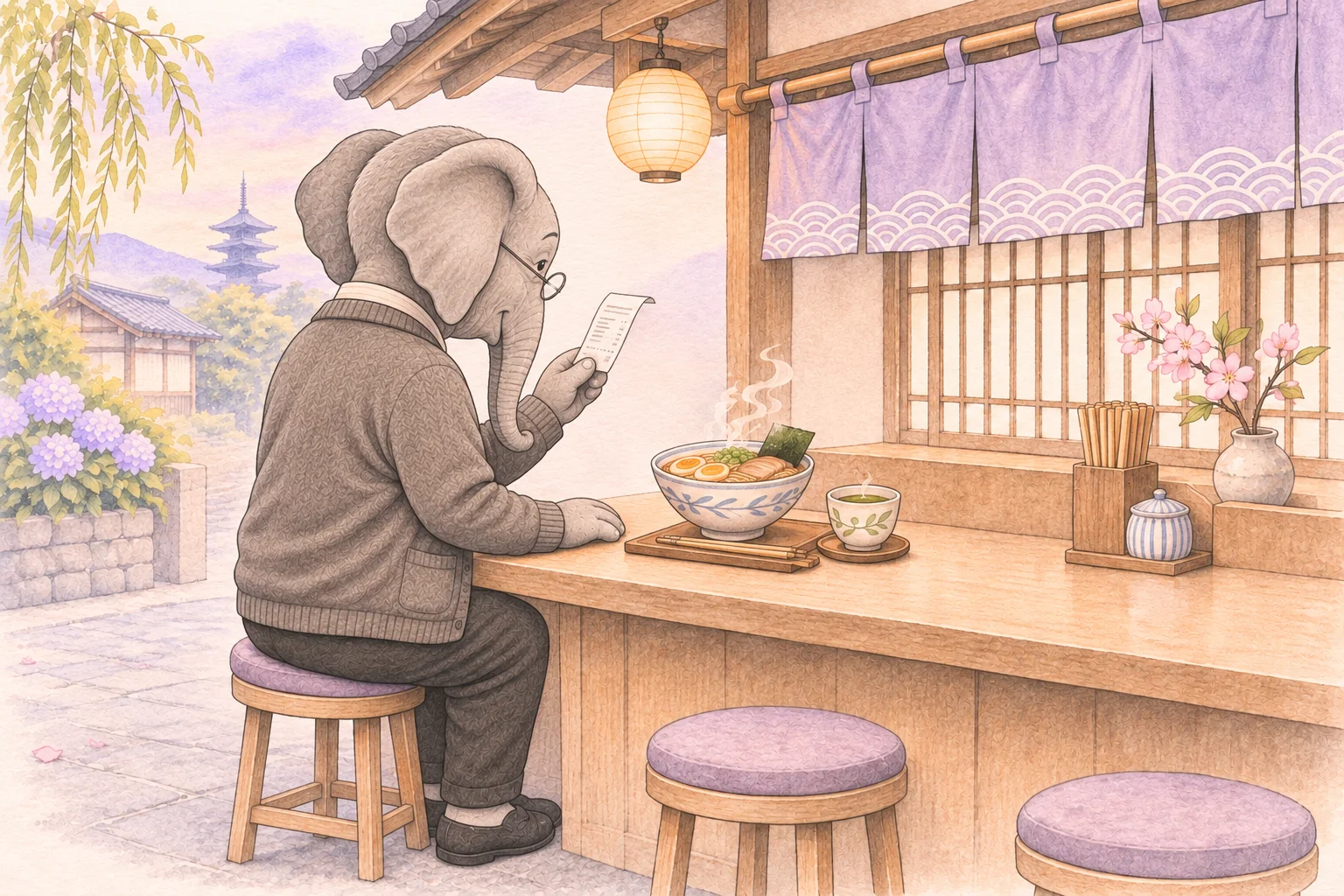
One meal, three lines
Ramen ¥1,180
Egg ¥160 · Cola ¥200
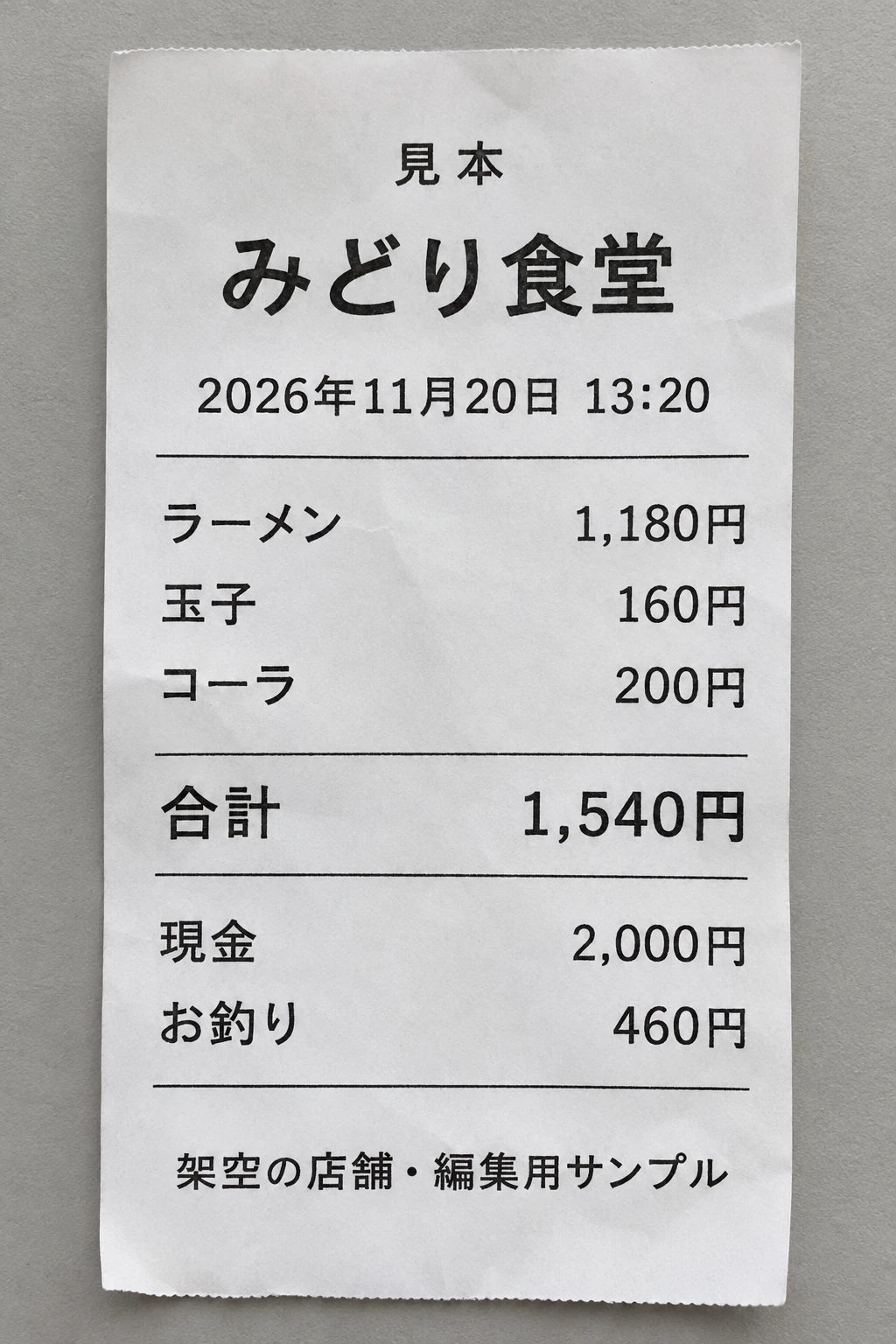
When you collect receipts, look at the items as well as the total. A small purchase can contain food, toiletries and souvenirs. Those belong in different parts of a budget even if you paid for them together.
Price the route before buying a pass
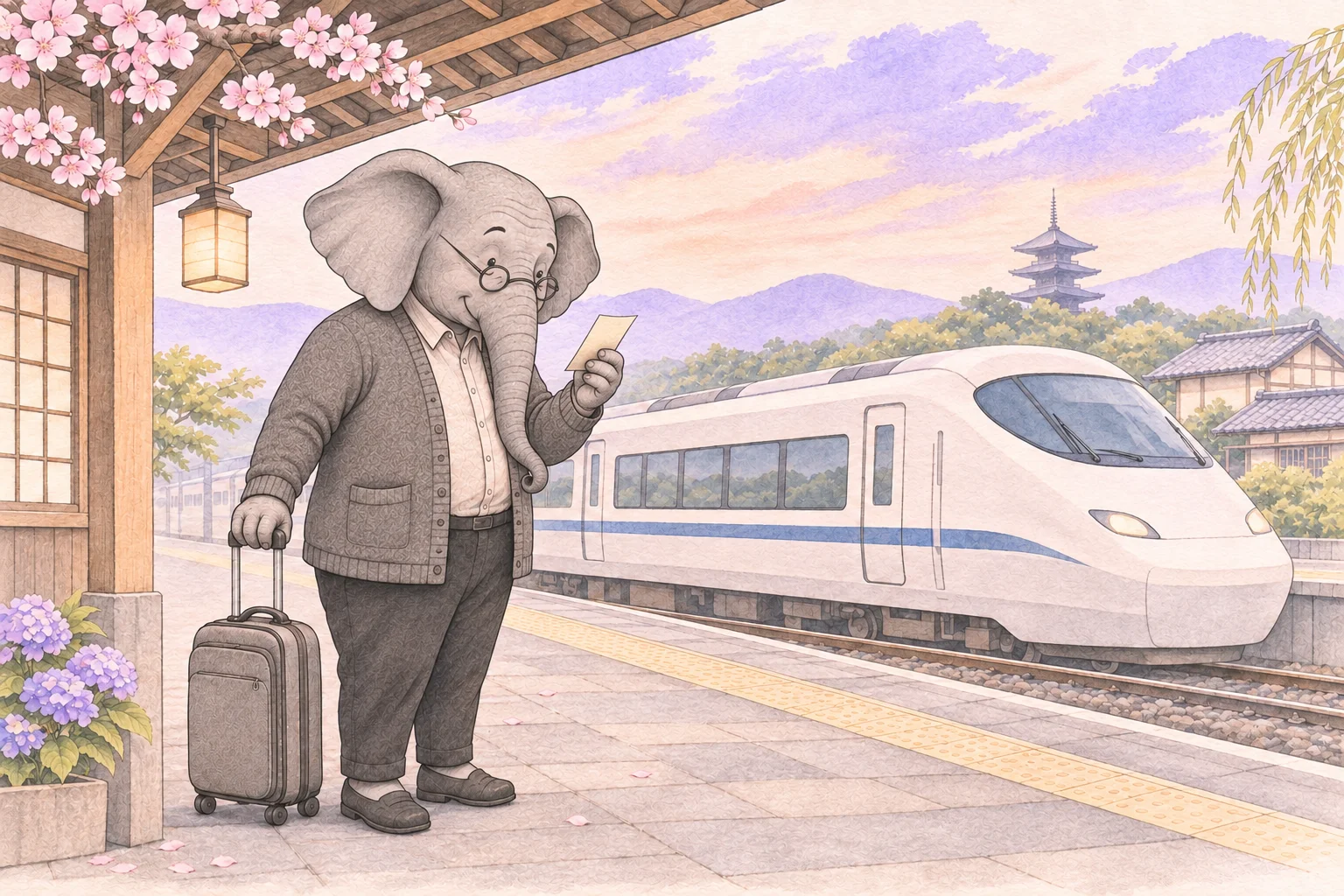
For one Tokyo–Kyoto journey, JR Tokai Tours publishes a ¥10,960 Platt-KODAMA package example for an adult in an ordinary car, departing Monday to Thursday outside peak periods. The displayed price is dated September 1, 2026. The journey takes about three hours and forty minutes, and the booking has restrictions. Your travel date needs its own quote. Package prices and booking conditions.
A seven-day ordinary Japan Rail Pass is listed at ¥50,000 for an adult buying online. A single discounted train journey and a nationwide pass are different products: compare all the eligible journeys in your itinerary, not just their headline prices. The pass also has conditions for Nozomi and Mizuho services. Japan Rail Pass prices.
Local travel needs the same care. The Tokyo Subway Ticket is listed at ¥1,000 for 24 hours, ¥1,500 for 48 hours or ¥2,000 for 72 hours for adults. It covers Tokyo Metro and Toei Subway lines, not every train in Tokyo. Match the ticket to your actual journeys before deciding whether it saves money. Subway ticket coverage and eligibility.
Our ¥6,000 city-travel allowance is a placeholder to replace with your routes. It does not include travel to or from the airports. If you use a stored-value transport card, avoid counting both its top-ups and the journeys paid from its balance as separate spending.
Leave room for the smaller costs
A temple visit, mobile data or sending a suitcase ahead can be easy to miss when you are concentrating on flights and hotels. Give them space in the plan before they become surprises.
For one reference point, Kinkaku-ji lists general admission at ¥500, with possible changes for special exhibitions. That is one visit, not a sightseeing budget for a week. Kinkaku-ji admission and visiting information.
Before finalising your total, consider:
- Paid attractions and any reservations you particularly want.
- Mobile data and insurance.
- Luggage storage or delivery, and a taxi if the route calls for one.
- Shopping and gifts, with an amount you are comfortable spending.
- Card, cash-withdrawal or exchange fees under your own provider’s terms.
Keep the buffer separate from spending you already expect. In this example, 10% adds roughly ¥8,300. It is a chosen cushion, not a guarantee that it covers every change of plan.
Keep the plan useful once you arrive
A budget becomes easier to use when you add purchases as you go. Start with the room and transport you have already paid for, then record the next meal or shop. Check the original currency and amount before saving.
Fili can help bring receipts and expenses together. Scan a receipt, review the recognised details and categories, and save the expense to your budget. Check the result: unclear photos, unfamiliar layouts and recognition errors can need corrections. Converted amounts help you understand spending; your bank’s final charge may differ.
Inside Fili / Receipt review
Keep the detail, not just the total.
Review the items and categories. Check the original currency and converted amount before saving.
Website demo · EUR / USD
Separate from the Japanese example.
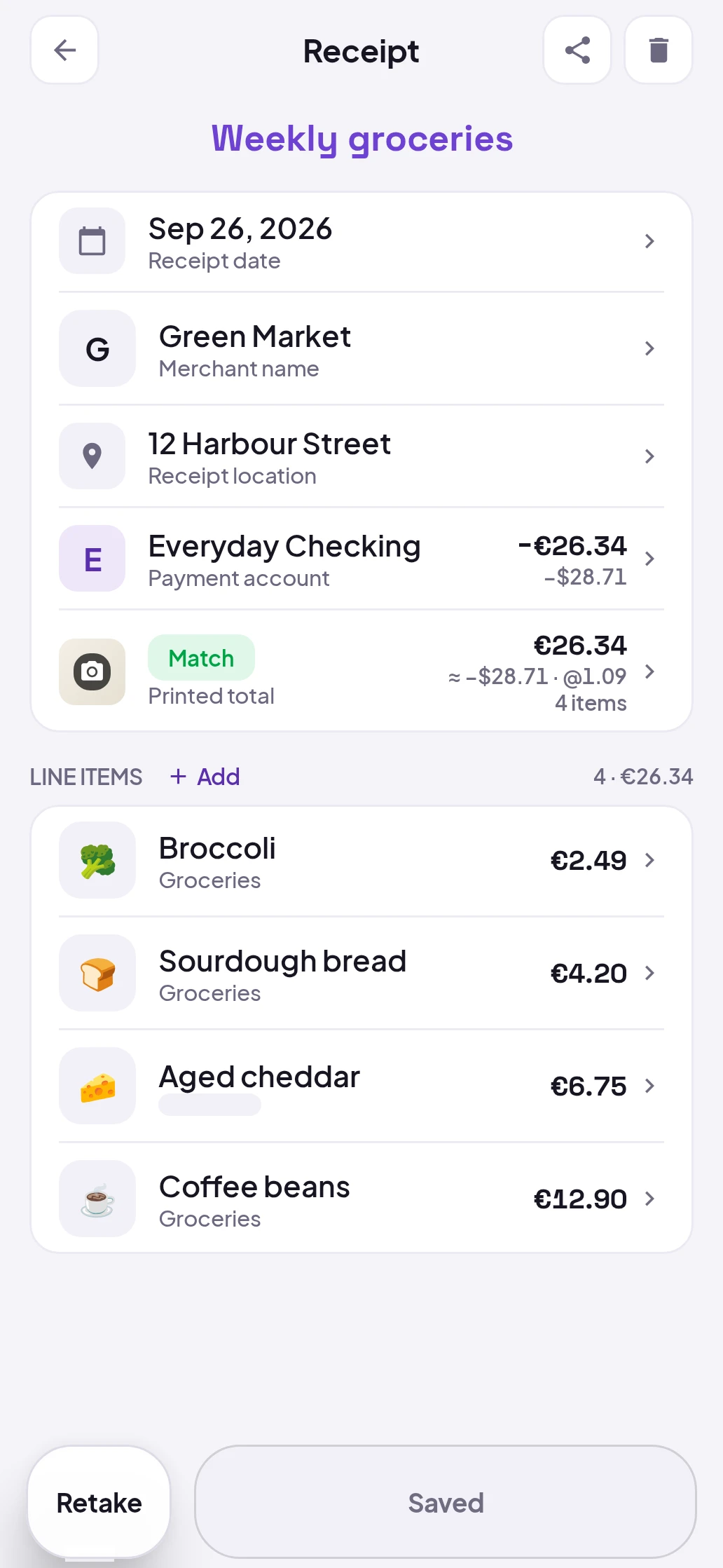
You do not need to make every day identical. If dinner costs more than planned, look at what remains for the trip and decide what to do next. That is more useful than discovering the total after you get home.
Take Fili with you
A clearer view of your next trip
Try Fili with your next receipt. Review the details, save the expense, and keep your spending together while you travel.
Get FiliHow we put this guide together
This is an illustrative planning model, researched on November 20, 2026. Published menu and transport prices are linked with their conditions. Accommodation, daily food, city travel, activities and the buffer are editorial allowances; they are not live quotes or statistical averages. Verify prices and availability for your dates before booking.
The illustrations and Japanese sample receipt were created for Fili Guides. The receipt uses published menu prices, with a fictional shop and transaction. The separate app image is an existing website demo. No reader’s private documents are used here.
All amounts in the planning model are in Japanese yen. The EUR/USD figures in the separate app demo illustrate currency conversion; they are not conversions of the Japan budget.